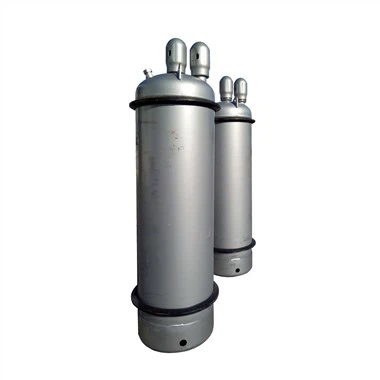
Hey there! As a supplier of R152a Gas, I've had my fair share of dealing with storage tanks for this stuff. R152a Gas, also known as R152a Gas, is a popular refrigerant, often referred to as R152a Refrigerant. It's used in a bunch of applications, like refrigeration systems and air conditioning units. But storing it properly is super important. So, let's dive into what the requirements are for R152a Gas storage tanks.
Material and Construction
First off, the material of the storage tank is crucial. R152a Gas is a bit reactive, so the tank needs to be made of materials that can withstand its chemical properties. Stainless steel is a top choice. It's corrosion - resistant, which means it won't rust or break down when in contact with R152a. This helps to keep the gas pure and prevents any leaks that could be dangerous.
The construction of the tank also matters. It should be well - built, with no weak spots. Welds need to be strong and properly inspected. A well - constructed tank will be able to handle the pressure that R152a Gas can exert. The tank should have a proper thickness to ensure it doesn't burst under normal operating conditions.
Pressure Rating
R152a Gas is stored under pressure. So, the storage tank must have an appropriate pressure rating. The pressure rating indicates the maximum pressure the tank can safely hold. It's important to choose a tank with a pressure rating that is higher than the normal operating pressure of the R152a Gas. This provides a safety margin.
For example, if the normal operating pressure of R152a Gas in a particular system is around 100 psi, the tank should have a pressure rating of at least 150 psi or more. This way, if there are any sudden pressure spikes, the tank won't fail.
Ventilation
Proper ventilation is a must for R152a Gas storage areas. R152a is a flammable gas, and if there's a leak, the gas can accumulate in an enclosed space. This can create a fire or explosion hazard. So, the storage area should have good ventilation to disperse any leaked gas.
Ventilation systems can be either natural or mechanical. Natural ventilation relies on the movement of air through openings in the storage area. Mechanical ventilation, on the other hand, uses fans to force air in and out. In most cases, a combination of both is the best approach.
Temperature Control
Temperature can have a big impact on R152a Gas. As the temperature rises, the pressure inside the storage tank increases. If the temperature gets too high, it can exceed the pressure rating of the tank, leading to a potential rupture.
So, it's important to keep the storage area at a stable temperature. This can be achieved through insulation and temperature - control systems. Insulation helps to keep the heat out, while temperature - control systems can actively cool the storage area if needed.
Safety Devices
Storage tanks for R152a Gas should be equipped with several safety devices. One of the most important is a pressure relief valve. This valve is designed to open when the pressure inside the tank exceeds a certain limit. It releases the excess pressure, preventing the tank from bursting.
Another important safety device is a level indicator. This shows how much R152a Gas is in the tank. It helps to prevent over - filling, which can also lead to dangerous pressure build - up.
Location and Environment
The location of the storage tank is also important. It should be placed in an area that is away from sources of heat, sparks, and open flames. This reduces the risk of fire or explosion. The storage area should also be well - drained to prevent water from accumulating around the tank, which could cause corrosion.
The environment around the tank should be clean and free from debris. Any dirt or debris could damage the tank or interfere with the operation of the safety devices.
Maintenance and Inspection
Regular maintenance and inspection are key to ensuring the safe storage of R152a Gas. The tank should be inspected for signs of corrosion, leaks, and damage on a regular basis. Any issues should be addressed immediately.
Maintenance tasks include checking the pressure relief valve, level indicator, and other safety devices. The tank should also be cleaned periodically to remove any dirt or contaminants.


Regulatory Compliance
There are a bunch of regulations that govern the storage of R152a Gas. These regulations are in place to protect people and the environment. As a supplier, I make sure that all the storage tanks I provide meet these regulations.
Regulations cover things like tank design, construction, installation, and maintenance. It's important to stay up - to - date with these regulations to avoid any legal issues.
Training and Education
Anyone who works with R152a Gas storage tanks should receive proper training. This includes understanding the properties of R152a Gas, the operation of the storage tank, and the safety procedures.
Training should cover topics like how to handle leaks, how to operate the safety devices, and what to do in case of an emergency. It's important that all employees are well - informed and trained to work safely with R152a Gas.
Conclusion
In conclusion, storing R152a Gas safely requires a combination of proper tank design, pressure rating, ventilation, temperature control, safety devices, and regulatory compliance. As a supplier, I'm committed to providing high - quality storage solutions that meet all these requirements.
If you're in the market for R152a Gas or need a storage tank for it, I'd love to have a chat. Whether you're a small business or a large industrial operation, I can help you find the right solution for your needs. Feel free to reach out and let's start the conversation about your R152a Gas storage requirements.
References
- Industry standards for refrigerant storage
- Local and national regulations regarding flammable gas storage
- Manufacturer's guidelines for R152a Gas storage tanks