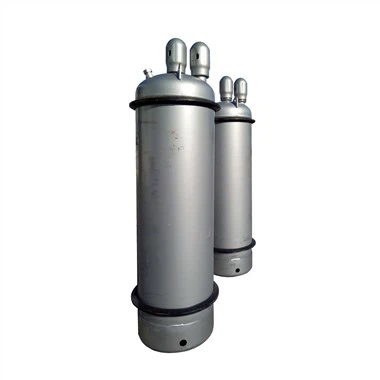
Hey there! As a supplier of R600a gas, I've seen firsthand how important it is for refrigeration systems using this refrigerant to operate quietly. R600a, also known as isobutane, is a popular choice for refrigeration due to its low environmental impact and good thermodynamic properties. However, like any refrigeration system, it can sometimes make unwanted noise. In this post, I'm gonna share some tips on how to reduce the noise of R600a gas refrigeration systems.
Understanding the Sources of Noise in R600a Refrigeration Systems
Before we dive into the solutions, it's crucial to understand where the noise in R600a refrigeration systems comes from. There are several common sources:
Compressor Noise
The compressor is the heart of any refrigeration system, including those using R600a Gas. It pumps the refrigerant through the system, and this process can generate noise. The noise can be caused by mechanical vibrations within the compressor itself, such as the movement of pistons or the rotation of the motor.
Fan Noise
Refrigeration systems often have fans to help dissipate heat. These fans can create a humming or whistling sound, especially if the blades are dirty, unbalanced, or if the motor is malfunctioning.
Refrigerant Flow Noise
The flow of R600a Refrigerant through the pipes can also produce noise. This can happen when the refrigerant changes state from liquid to gas or vice versa, or when there are restrictions or obstructions in the piping.


Mounting and Structural Noise
If the refrigeration system is not properly mounted or if there are loose components, it can vibrate against the surrounding structure, creating noise. This is especially common in older systems or those that have been moved or installed incorrectly.
Tips to Reduce Noise in R600a Refrigeration Systems
Now that we know the sources of noise, let's look at some practical ways to reduce it.
Compressor Noise Reduction
- Anti-Vibration Mounts: Installing anti-vibration mounts under the compressor can significantly reduce the transmission of vibrations to the surrounding structure. These mounts are usually made of rubber or other flexible materials that absorb the shock and vibrations.
- Compressor Enclosure: A compressor enclosure can help to contain the noise generated by the compressor. It should be made of sound-absorbing materials and properly sealed to prevent noise from escaping. However, make sure that the enclosure does not restrict the airflow to the compressor, as this can lead to overheating.
- Regular Maintenance: Keeping the compressor well-maintained is essential. This includes checking the oil level, cleaning the compressor, and replacing any worn-out parts. A well-maintained compressor is less likely to make noise.
Fan Noise Reduction
- Clean the Fans: Regularly clean the fan blades to remove dust and debris. This can improve the balance of the fan and reduce noise. You can use a soft brush or compressed air to clean the blades.
- Check the Fan Motor: If the fan motor is making noise, it may need to be lubricated or replaced. Follow the manufacturer's instructions for lubricating the motor, and if the noise persists, consider replacing the motor.
- Adjust the Fan Speed: Some refrigeration systems allow you to adjust the fan speed. Lowering the fan speed can reduce the noise, but make sure that it does not affect the cooling performance of the system.
Refrigerant Flow Noise Reduction
- Proper Piping Design: Ensure that the piping in the refrigeration system is properly designed and installed. Avoid sharp bends, kinks, or restrictions in the piping, as these can cause the refrigerant to flow unevenly and create noise. Use smooth, straight pipes whenever possible.
- Refrigerant Charge: Make sure that the refrigeration system is properly charged with R600a Gas. An overcharged or undercharged system can cause the refrigerant to flow erratically and produce noise. Follow the manufacturer's specifications for the correct refrigerant charge.
- Expansion Valve Adjustment: The expansion valve controls the flow of refrigerant into the evaporator. If it is not adjusted correctly, it can cause the refrigerant to flow too quickly or too slowly, resulting in noise. Have a professional technician adjust the expansion valve if necessary.
Mounting and Structural Noise Reduction
- Secure Mounting: Ensure that the refrigeration system is securely mounted to a stable surface. Use vibration-damping materials between the system and the mounting surface to reduce the transmission of vibrations.
- Check for Loose Components: Regularly check the system for loose components, such as screws, bolts, or panels. Tighten any loose parts to prevent them from vibrating and making noise.
- Isolate the System: If possible, isolate the refrigeration system from other structures or equipment that may transmit vibrations. This can help to reduce the overall noise level.
Conclusion
Reducing the noise of R600a gas refrigeration systems is not only important for the comfort of the users but also for the longevity of the system. By understanding the sources of noise and implementing the tips mentioned above, you can significantly reduce the noise level of your refrigeration system.
If you're in the market for high-quality R600a Gas or need more advice on reducing noise in your refrigeration systems, don't hesitate to reach out. We're here to help you find the best solutions for your needs. Let's have a chat about your requirements and how we can work together to make your refrigeration systems run quieter and more efficiently.
References
- ASHRAE Handbook - Refrigeration. American Society of Heating, Refrigerating and Air-Conditioning Engineers.
- Manufacturer's manuals for R600a refrigeration systems.