Hey there! I'm a supplier of dimethyl ether, and I often get asked about the storage requirements for this stuff. So, I thought I'd put together a blog post to share some insights on this topic.
First things first, let's talk a bit about dimethyl ether. It's a colorless gas with a faint, ether - like odor. It's used in a bunch of different applications, like in Aerosol Dimethyl Ether and Dimethyl Ether Aerosol Grade products. We also offer Dimethyl Ether Premium Grade for more specialized uses.
Physical and Chemical Properties Affecting Storage
Dimethyl ether has a boiling point of around -24.9°C. This means it's a gas at room temperature and pressure. It's highly flammable, and its vapor can form explosive mixtures with air. These properties are super important when it comes to storing the stuff.
Storage Containers
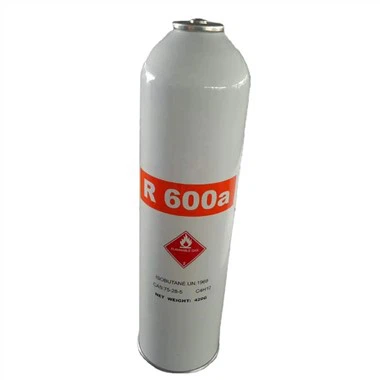
The containers used for storing dimethyl ether need to be made of the right materials. They should be able to withstand the pressure of the gas. Usually, steel cylinders or tanks are used. Steel is a great choice because it's strong and resistant to corrosion. The containers must be properly designed and tested to meet safety standards. They should have pressure - relief devices that will release the gas if the pressure inside the container gets too high.
It's also crucial to make sure the containers are in good condition. Regular inspections are a must. We don't want any leaks because that could lead to a dangerous situation. If a leak is detected, the container should be taken out of use right away and fixed or replaced.
Storage Location
The location where dimethyl ether is stored is just as important as the container. It should be a well - ventilated area. This helps to prevent the build - up of dimethyl ether vapor in case of a leak. A well - ventilated area allows any leaked vapor to disperse quickly, reducing the risk of an explosive atmosphere forming.
The storage area should be away from sources of ignition. That means no open flames, sparks, or hot surfaces nearby. It's also a good idea to store dimethyl ether away from other flammable materials. We don't want a fire or explosion involving one substance to spread to the dimethyl ether.
The storage area should be at a stable temperature. Extreme heat can cause the pressure inside the containers to increase rapidly, which could lead to a rupture. On the other hand, extremely cold temperatures can also affect the integrity of the containers and the properties of the dimethyl ether.
Handling and Transfer
When handling and transferring dimethyl ether, safety is key. Workers should wear appropriate personal protective equipment (PPE), like gloves and goggles. This protects them from any potential exposure to the gas.
The transfer process should be carried out carefully. Use proper hoses and fittings that are specifically designed for dimethyl ether. Make sure the connections are tight to prevent leaks. Before starting the transfer, check all the equipment for any signs of damage.
Monitoring and Safety Measures
Regular monitoring of the storage area is essential. This includes checking for leaks using leak - detection equipment. There are also gas sensors that can be installed in the storage area to detect any increase in the concentration of dimethyl ether in the air.
In case of an emergency, there should be a well - defined safety plan. Workers should be trained on how to respond to a leak, fire, or any other incident. Fire extinguishers suitable for flammable gas fires should be readily available in the storage area.
Regulatory Compliance
It's important to comply with all the local, national, and international regulations regarding the storage of dimethyl ether. Different regions may have different rules, so it's crucial to stay updated. We make sure that all of our storage facilities meet the necessary regulatory requirements.
This not only helps to keep everyone safe but also protects us from any legal issues. Regulatory bodies may conduct inspections to ensure compliance, and we're always prepared for those.
Training for Employees
All employees who work with or around the storage of dimethyl ether should receive proper training. They need to understand the properties of dimethyl ether, the potential hazards, and the correct procedures for storing, handling, and responding to emergencies.


Training should be ongoing. New employees should get comprehensive training from the start, and existing employees should have regular refresher courses. This ensures that everyone stays up - to - date on the latest safety practices.
Benefits of Proper Storage
If you store dimethyl ether properly, you can avoid a lot of headaches. You reduce the risk of accidents, which keeps your workers and the surrounding environment safe. It also helps to maintain the quality of the dimethyl ether. If the storage conditions are right, the product will stay in good condition, and you'll get the best performance out of it.
Conclusion
So, there you have it - the main storage requirements for dimethyl ether. As a supplier, we take storage seriously because we know how important it is for the safety of everyone involved. If you're in the market for dimethyl ether, whether it's Aerosol Dimethyl Ether, Dimethyl Ether Aerosol Grade, or Dimethyl Ether Premium Grade, and you have any questions about storage or anything else, feel free to reach out. We're here to help you make the best decisions for your business.
Let's start a conversation about your dimethyl ether needs. Whether it's for a small - scale project or a large - industrial application, we can work together to find the right solution. Let's talk and see how we can meet your requirements.
References
- Chemical Safety Data Sheet for Dimethyl Ether
- Local and National Regulations on Flammable Gas Storage