Butane is a highly versatile hydrocarbon that plays a significant role in various industries, from energy to refrigeration. As a butane supplier, I've had the privilege of witnessing firsthand the diverse applications and sources of this valuable compound. In this blog post, I'll explore the common sources of butane and shed light on its importance in our daily lives.
Natural Gas Processing
One of the primary sources of butane is natural gas processing. Natural gas is a mixture of hydrocarbons, primarily methane, but it also contains varying amounts of other hydrocarbons, including butane. During the processing of natural gas, the different components are separated through a series of steps, such as compression, cooling, and fractionation.
Butane is typically separated from natural gas in a fractionation tower, where the mixture is heated and the different hydrocarbons are vaporized at different temperatures. Butane has a boiling point of around -0.5°C (31.1°F), which allows it to be separated from other hydrocarbons with higher or lower boiling points. The separated butane can then be further purified and used for various applications.


Petroleum Refining
Another significant source of butane is petroleum refining. Crude oil is a complex mixture of hydrocarbons, and during the refining process, it is separated into different fractions based on their boiling points. Butane is one of the lighter fractions that can be obtained from crude oil.
In a petroleum refinery, crude oil is first heated and vaporized in a distillation column. The different fractions, including butane, rise to different levels in the column based on their boiling points. Butane, being a relatively light hydrocarbon, is collected near the top of the column. It can then be further processed and treated to remove impurities and meet the required specifications.
Shale Gas Production
In recent years, shale gas production has emerged as a significant source of butane. Shale gas is natural gas that is trapped within shale rock formations. To extract shale gas, a process called hydraulic fracturing, or "fracking," is used. This involves injecting a mixture of water, sand, and chemicals into the shale rock at high pressure to create fractures and release the gas.
During the extraction of shale gas, butane and other hydrocarbons are also produced. The butane can be separated from the shale gas stream and used for various purposes. Shale gas production has significantly increased the availability of butane in the market, making it more accessible and affordable.
Biofuels and Renewable Sources
In addition to traditional sources, there is growing interest in producing butane from biofuels and renewable sources. Biofuels are fuels that are derived from biomass, such as plants and algae. Through various processes, such as fermentation and gasification, biomass can be converted into butane and other hydrocarbons.
One example of a renewable source of butane is the production of biobutanol. Biobutanol is a biofuel that can be produced from renewable feedstocks, such as corn, sugarcane, and switchgrass. Biobutanol has similar properties to butane and can be used as a substitute for gasoline or as a blending component in fuels.
Applications of Butane
Butane has a wide range of applications in various industries. Some of the common applications of butane include:
- Fuel: Butane is commonly used as a fuel for heating, cooking, and lighting. It is often used in portable stoves, lighters, and camping equipment. Butane is also used as a fuel for vehicles, particularly in some countries where it is used as a substitute for gasoline.
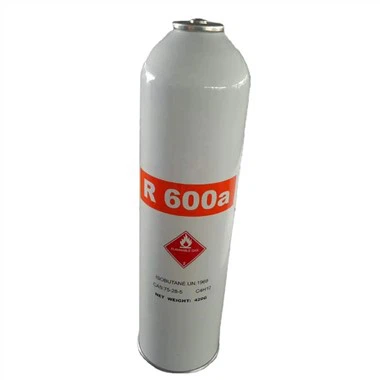
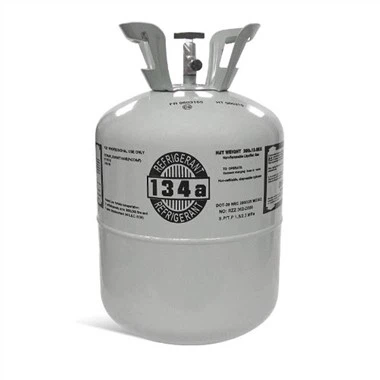
- Refrigeration: Butane is used as a refrigerant in some refrigeration systems. R600a Refrigerant and R600 Gas are examples of butane-based refrigerants that are used in refrigerators and freezers. These refrigerants have a low environmental impact and are considered to be more energy-efficient than traditional refrigerants.
- Aerosol Propellants: Butane is used as a propellant in aerosol products, such as hairspray, deodorant, and insecticides. It provides the pressure needed to spray the product out of the can.
- Chemical Feedstock: Butane is used as a feedstock in the production of various chemicals, such as butadiene, which is used in the production of synthetic rubber.
Conclusion
As a butane supplier, I understand the importance of having a reliable and diverse source of butane. The common sources of butane, including natural gas processing, petroleum refining, shale gas production, and biofuels, ensure a steady supply of this valuable compound. Butane's versatility and wide range of applications make it an essential component in many industries.
If you are interested in purchasing butane for your business or personal use, I encourage you to contact me for more information. I can provide you with high-quality butane products at competitive prices. Let's work together to meet your butane needs.
References
- American Petroleum Institute. (2023). Petroleum Refining Basics.
- Energy Information Administration. (2023). Natural Gas Processing.
- International Energy Agency. (2023). Renewable Energy Market Analysis.