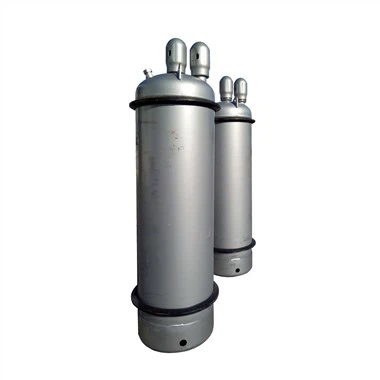
Hey there, folks! As a supplier of R152a Gas, I've been keeping a close eye on the regulatory trends for this stuff across different countries. It's super important for us in the industry to stay on top of these changes, so I thought I'd share what I've found out.
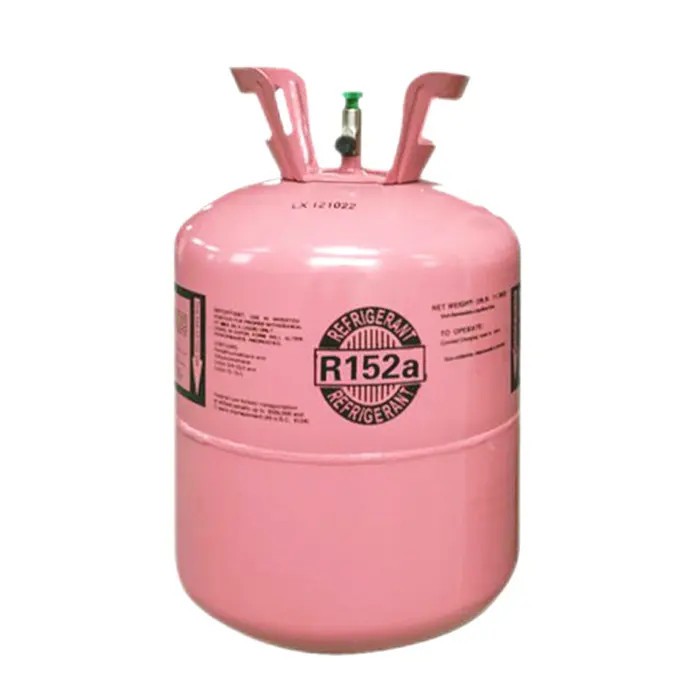
First off, let me give you a quick intro to R152a Gas. It's also known as R152a Refrigerant, and it's a hydrofluorocarbon (HFC) that's commonly used in refrigeration and air - conditioning systems. It's got a relatively low global warming potential (GWP) compared to some other refrigerants, which makes it an attractive option in many cases.
Regulatory Trends in the United States
In the US, the Environmental Protection Agency (EPA) has been actively involved in regulating refrigerants. Under the American Innovation and Manufacturing (AIM) Act, there's a phasedown of high - GWP HFCs. While R152a has a lower GWP, it's still part of the overall refrigerant management scheme.
The EPA has set guidelines for the handling, sale, and use of refrigerants. Refrigerant technicians need to be certified to work with R152a and other refrigerants. This certification ensures that they know how to handle the gas safely, prevent leaks, and properly dispose of any waste refrigerant.
There are also restrictions on the sale of R152a Gas to uncertified individuals. This is to prevent improper use and release of the gas into the environment. The aim here is to reduce the overall emissions of HFCs and transition to more environmentally friendly alternatives over time.
European Union Regulations
Over in the European Union, the F - Gas Regulation is the main governing body for refrigerant management. The EU has been really aggressive in phasing down HFCs. The goal is to cut down on the use of high - GWP refrigerants and move towards more sustainable options.
R152a is subject to these regulations as well. There are strict rules on the production, import, and export of R152a Gas. The EU has set quotas for the amount of HFCs that can be placed on the market each year, and these quotas are gradually being reduced.
In addition, there are requirements for leak detection and repair in refrigeration and air - conditioning systems that use R152a. Companies need to regularly check their systems for leaks and fix them promptly to avoid unnecessary emissions.
Asian Countries' Stance
In Asia, different countries have different approaches. For example, Japan has been promoting the use of low - GWP refrigerants. The government has provided incentives for companies to switch to more environmentally friendly options. R152a, with its relatively low GWP, has seen some adoption in the Japanese market.
China, on the other hand, is one of the largest producers of refrigerants in the world. The Chinese government has been implementing regulations to control refrigerant emissions. They've been following the Montreal Protocol and its amendments, which aim to reduce the production and consumption of ozone - depleting substances and HFCs.
China has also been setting standards for the quality and safety of refrigerants like R152a Gas. These standards ensure that the gas produced and sold in the country meets certain environmental and safety requirements.
South American Regulations
In South America, countries are gradually waking up to the importance of refrigerant regulation. Brazil, for instance, has been working on implementing regulations to control HFC emissions. The government is looking at ways to phase down high - GWP refrigerants and promote the use of more sustainable alternatives.
R152a is likely to be a part of the transition in these countries. As the regulations become more stringent, companies will need to ensure that they are using refrigerants that comply with the new rules. This means that the demand for R152a, with its lower GWP, could increase in the South American market.
Impact on the R152a Gas Supply Chain
These regulatory trends have a huge impact on the R152a Gas supply chain. As a supplier, I've noticed a few things. First of all, there's more demand for R152a in regions where the regulations are pushing for lower - GWP refrigerants. This is great for us, but it also means that we need to ensure that our production and supply processes are up to par.
On the other hand, the regulations also mean more paperwork and compliance requirements. We need to keep track of where our R152a Gas is going, who is buying it, and how it's being used. This can be a bit of a hassle, but it's necessary to ensure that we're following the rules.
Challenges and Opportunities
There are definitely challenges in dealing with these regulatory trends. One of the biggest challenges is keeping up with the changing regulations in different countries. Each country has its own set of rules, and it can be difficult to stay on top of all of them.
However, there are also plenty of opportunities. As more and more countries move towards lower - GWP refrigerants, the demand for R152a is likely to increase. This means that there's a growing market for us to tap into.
Another opportunity is in innovation. We can work on developing new and improved ways of producing and using R152a Gas. This could include more efficient production methods or better - designed refrigeration systems that make the most of R152a's properties.
Contact for Purchase and Collaboration
If you're in the market for R152a Gas, or if you want to discuss how it can fit into your refrigeration or air - conditioning needs, I'd love to hear from you. Whether you're a small business or a large corporation, we've got the expertise and the supply to meet your requirements. Just reach out, and we can start a conversation about how we can work together to get you the best R152a Gas solution.

References
- Environmental Protection Agency (EPA), United States. Regulations under the American Innovation and Manufacturing (AIM) Act.
- European Union F - Gas Regulation.
- Government of Japan's initiatives on low - GWP refrigerants.
- Chinese government regulations on refrigerant production and quality control.
- Brazilian government efforts on HFC emission control.