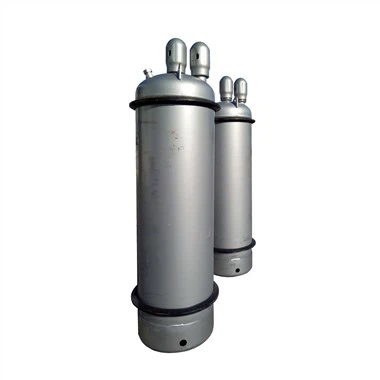
Hey there! I'm a supplier of difluoroethane. Over the years, I've had a lot of customers asking about the regulations regarding the use of difluoroethane. So, I thought it'd be a great idea to write this blog to share what I know.
Difluoroethane, often referred to as R152a, has a bunch of applications. It's commonly used as a refrigerant, a propellant in aerosol products, and in some industrial processes. But like any chemical substance, there are rules and regs to follow when it comes to its use.
Global and National Regulations
On a global scale, the Montreal Protocol plays a huge role in regulating difluoroethane. The Montreal Protocol was designed to protect the ozone layer by phasing out the production and consumption of substances that deplete it. Although difluoroethane isn't an ozone - depleting substance like some of the older refrigerants, it's a greenhouse gas. So, it still falls under the scope of international climate - related agreements.
Many countries have their own environmental protection agencies that enforce regulations on difluoroethane. For example, in the United States, the Environmental Protection Agency (EPA) has strict rules about the handling, storage, and use of difluoroethane. They require companies to report their emissions of greenhouse gases, including difluoroethane. If you're using difluoroethane in your refrigeration systems, you need to follow the EPA's rules for proper installation, maintenance, and disposal of the refrigerant.
In the European Union, the F - gas Regulation is in place. This regulation aims to reduce the use and emissions of fluorinated greenhouse gases, which include difluoroethane. It sets limits on the amount of F - gases that can be placed on the market and requires companies to have proper leak - detection systems in place if they're using difluoroethane in their equipment.
Safety Regulations
Safety is a top priority when it comes to handling difluoroethane. It's a flammable gas, so there are strict safety regulations to prevent fires and explosions. When storing difluoroethane, it should be kept in a well - ventilated area away from sources of heat, sparks, and open flames.
Workers who handle difluoroethane need to receive proper training. They should know how to use personal protective equipment (PPE) such as gloves and goggles. In case of a leak, there should be emergency response procedures in place. This might include evacuating the area, shutting off the gas supply, and using appropriate fire - fighting equipment if necessary.
Regulations in Different Applications
Refrigeration
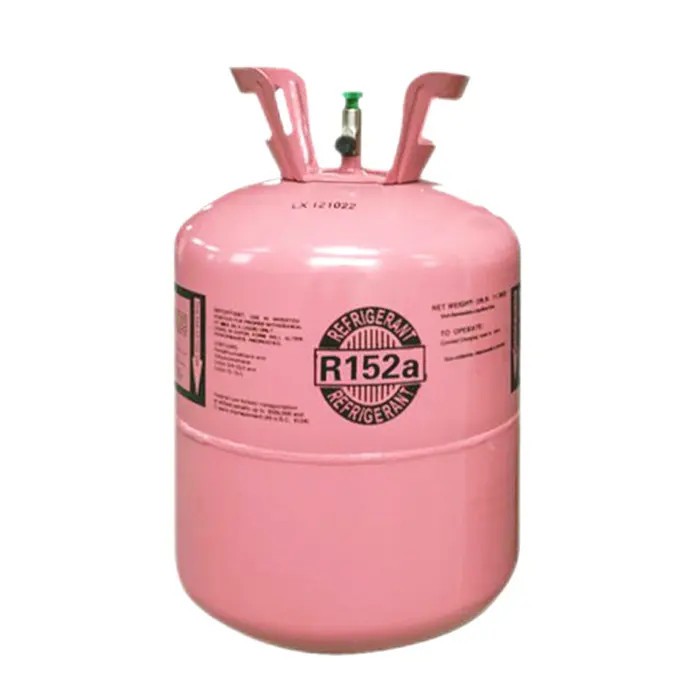
When it comes to using difluoroethane as a R152a Refrigerant, there are several regulations. Refrigeration systems need to be designed and installed by qualified professionals. These systems should be regularly maintained to prevent leaks. If a leak is detected, it must be repaired as soon as possible.
In addition, when disposing of old refrigeration equipment that contains difluoroethane, the refrigerant must be properly recovered and recycled. This is to prevent the release of the gas into the atmosphere.
Aerosol Products
If you're using difluoroethane as a propellant in aerosol products, there are also regulations. The aerosol cans need to be properly labeled with information about the contents, including difluoroethane. The manufacturing process should also ensure that the cans are safe and won't leak or explode.

Why Comply with Regulations?
You might be wondering, why bother with all these regulations? Well, for starters, it's the law. Non - compliance can lead to hefty fines and legal troubles. But there are also environmental and safety reasons. By following the regulations, we can help reduce the impact of difluoroethane on the climate. And safety regulations protect workers and the public from potential hazards.
As a supplier of difluoroethane, I always make sure to stay updated on the latest regulations. I also provide my customers with information about how to use difluoroethane safely and legally.
Our Product - R152a Gas
We offer high - quality R152a gas that meets all the relevant regulations. Our product is well - tested and comes with proper documentation. Whether you're using it for refrigeration or in aerosol products, you can trust our difluoroethane to perform well and comply with the rules.
How to Contact Us for Purchase
If you're interested in purchasing difluoroethane from us, we'd love to have a chat with you. We can discuss your specific needs, answer any questions you might have about regulations, and provide you with a competitive quote. Just reach out, and we'll start the conversation.
In conclusion, the use of difluoroethane is subject to a variety of regulations on a global, national, and local level. These regulations are in place to protect the environment and ensure safety. As a responsible supplier, I'm committed to helping my customers navigate these regulations and use difluoroethane in a proper way.
References
- Environmental Protection Agency (EPA). Regulations on Refrigerants.
- European Union. F - gas Regulation.
- United Nations Environment Programme. Montreal Protocol and its Amendments.