As a seasoned butane supplier, I often encounter inquiries about various aspects of butane, and one question that frequently comes up is, "What is the flash point of butane?" In this blog post, I'll delve into the concept of the flash point, explain what it means for butane, and touch on its implications in different industries.
Understanding the Flash Point
The flash point of a flammable liquid is the lowest temperature at which it can vaporize to form an ignitable mixture with air near the surface of the liquid. In simpler terms, it's the temperature at which a substance can produce enough vapor to catch fire when an ignition source is present. This is a crucial safety parameter, especially when dealing with flammable substances like butane.
The Flash Point of Butane
Butane is a highly flammable hydrocarbon gas that exists in two main isomers: n-butane and isobutane. The flash point of butane is approximately -60°C (-76°F). This extremely low flash point indicates that butane can easily form an ignitable mixture with air at relatively low temperatures. Even in cold environments, butane vapors can reach the necessary concentration to ignite when exposed to a spark, flame, or other ignition source.
Why the Flash Point Matters
The low flash point of butane has significant implications for its handling, storage, and use. Here are some key reasons why understanding the flash point is essential:
Safety
Safety is the primary concern when dealing with butane. The low flash point means that butane must be stored and transported in appropriate containers that are designed to prevent leaks and minimize the risk of ignition. Additionally, strict safety protocols should be followed when handling butane, such as avoiding open flames, sparks, and other potential ignition sources in areas where butane is present.


Regulatory Compliance
Regulatory bodies around the world have established strict guidelines and standards for the handling, storage, and transportation of flammable substances like butane. These regulations often take into account the flash point of the substance to ensure that proper safety measures are in place. Compliance with these regulations is crucial for both the safety of workers and the environment.
Industrial Applications
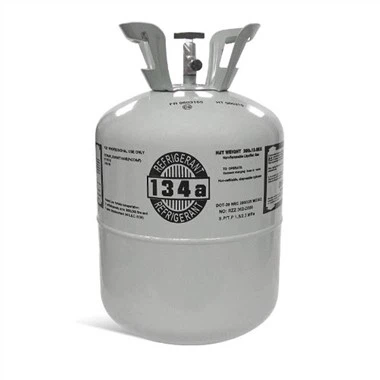
Butane is widely used in various industries, including the food, pharmaceutical, and refrigeration industries. In each of these applications, the low flash point of butane must be carefully considered to ensure safe operation. For example, in the refrigeration industry, butane is used as a refrigerant, specifically in the form of R600 Gas and R600a Gas. These refrigerants are known for their excellent cooling properties but require special handling due to their flammability.
Butane as a Refrigerant: R600a
One of the most common uses of butane in the refrigeration industry is as a refrigerant known as R600a Refrigerant. R600a, which is isobutane, is a natural refrigerant that has gained popularity in recent years due to its low environmental impact. It has a low global warming potential (GWP) and does not contribute to ozone depletion.
However, the low flash point of R600a requires careful installation and maintenance of refrigeration systems. Refrigeration technicians must be trained to handle flammable refrigerants safely and follow strict installation procedures to prevent leaks and minimize the risk of ignition. Additionally, refrigeration systems using R600a must be equipped with proper safety devices, such as leak detectors and pressure relief valves.
Handling and Storage of Butane
Given the low flash point of butane, proper handling and storage are essential to prevent accidents and ensure safety. Here are some general guidelines for handling and storing butane:
Storage
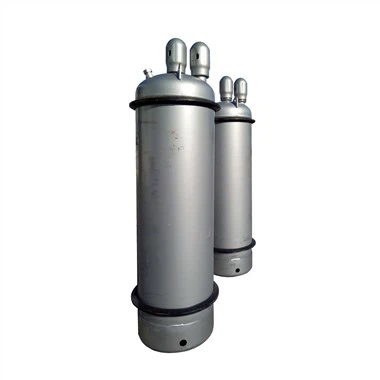
- Store butane in approved containers that are designed for flammable gases. These containers should be made of suitable materials and have proper markings indicating the contents and safety precautions.
- Keep butane containers in a well-ventilated area away from heat sources, open flames, and direct sunlight.
- Store butane containers in an upright position to prevent leaks and ensure proper valve operation.
Handling
- Use only approved equipment and fittings when handling butane. This includes hoses, regulators, and valves that are designed for use with flammable gases.
- Avoid overfilling butane containers, as this can increase the risk of leaks and explosions.
- When transferring butane from one container to another, use proper transfer equipment and follow the manufacturer's instructions.
Conclusion
In conclusion, the flash point of butane is an important safety parameter that has significant implications for its handling, storage, and use. As a butane supplier, I understand the importance of providing our customers with high-quality butane products and ensuring that they are aware of the safety precautions associated with its use.
If you are in the market for butane products, I encourage you to contact us to discuss your specific requirements. Our team of experts is available to provide you with detailed information about our products and assist you in making the right choice for your application. Whether you need butane for industrial use, refrigeration, or other applications, we are committed to providing you with the best possible service and support.
References
- Kirk - Othmer Encyclopedia of Chemical Technology
- ASTM International Standards on Flammable Liquids
- OSHA (Occupational Safety and Health Administration) Guidelines on Handling Flammable Substances