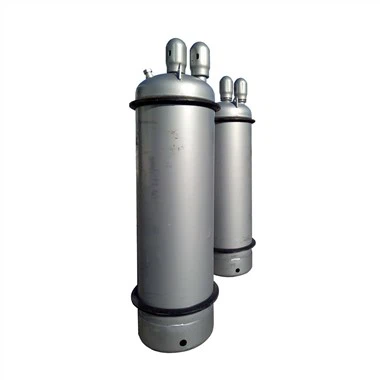
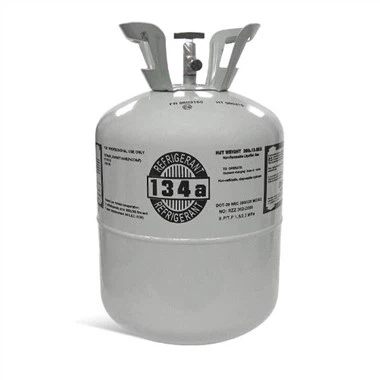
Alright, folks! As a supplier of R134a Gas, I often get asked if R134a gas can be used in heat pumps. So, I thought I'd dive into this topic and share some insights with you.
First off, let's talk a bit about what R134a gas is. R134a, also known as Tetrafluoroethane Gas, is a hydrofluorocarbon (HFC) refrigerant. It's a colorless gas that's odorless and non - flammable. It became popular as a replacement for chlorofluorocarbons (CFCs) and hydrochlorofluorocarbons (HCFCs) which were found to be harmful to the ozone layer.
Now, when it comes to heat pumps, they're pretty amazing devices. They can both heat and cool a space by transferring heat from one place to another. Heat pumps work on the principle of the refrigeration cycle, where a refrigerant absorbs and releases heat as it changes from a gas to a liquid and back again.
So, can R134a gas be used in heat pumps? The answer is yes, it can. In fact, it has been used in heat pump systems for quite some time. R134a has some properties that make it suitable for heat pump applications.
One of the key advantages of R134a in heat pumps is its relatively low boiling point, which is around - 26.3°C (- 15.34°F). This low boiling point allows the refrigerant to evaporate easily at low temperatures, absorbing heat from the surrounding environment. When it comes to the condensing side of the heat pump cycle, R134a can release the absorbed heat effectively as it changes from a gas to a liquid.
Another benefit is its good thermodynamic properties. It has a high coefficient of performance (COP) in many heat pump operating conditions. The COP is a measure of how efficiently a heat pump can transfer heat. A higher COP means that the heat pump can produce more heating or cooling output for the same amount of energy input. R134a can help heat pumps achieve a decent COP, making them energy - efficient.
R134a also has good compatibility with many of the materials used in heat pump systems. It doesn't react with common metals like copper and aluminum, which are often used in the heat exchangers of heat pumps. This compatibility ensures the long - term reliability of the heat pump system.
However, it's not all sunshine and rainbows. There are some drawbacks to using R134a in heat pumps. One major issue is its high global warming potential (GWP). The GWP of R134a is 1430, which means that over a 100 - year period, one kilogram of R134a has the same global warming effect as 1430 kilograms of carbon dioxide.


Due to the high GWP, there are increasing regulations and environmental concerns regarding the use of R134a. In many regions, there are phased - out plans for high - GWP refrigerants, including R134a. This means that in the future, the use of R134a in heat pumps might become less common as more environmentally friendly alternatives become available.
Some of these alternatives include low - GWP refrigerants such as R32 and R290. R32 has a much lower GWP of around 675, which is less than half of R134a's GWP. R290, also known as propane, has a GWP of almost zero. But these alternative refrigerants also have their own challenges. For example, R290 is flammable, which requires special safety measures during installation and operation of the heat pump.
In terms of performance, while R134a has served heat pumps well, the new alternative refrigerants are being developed to have similar or even better performance characteristics. For instance, some new low - GWP refrigerants can achieve higher COPs in certain operating conditions compared to R134a.
If you're considering using R134a Refrigerant in a heat pump, there are a few things to keep in mind. First, check the local regulations. Make sure that using R134a in a heat pump is still legal and permitted in your area. Second, think about the long - term. If you're investing in a new heat pump system, it might be a good idea to consider future - proofing it by choosing a system that can be easily converted to use a low - GWP refrigerant in the future.
From a supplier's point of view, I understand that you might still want to use R134a in your heat pump systems. As of now, it's still a reliable and available option. We offer high - quality R134a Gas that meets all the necessary industry standards. Whether you're maintaining an existing heat pump or installing a new one, our R134a gas can be a great choice.
We also have Hfa 134a Propellant which has different applications. It's often used in aerosol products, for example. And if you're interested in the chemical background, you can learn more about Ethane on our website.
If you're looking to purchase R134a gas for your heat pump or other applications, don't hesitate to reach out. We're here to answer any questions you might have and help you make the right choice. Whether you're a small - scale user or a large - scale HVAC contractor, we can work with you to meet your needs.
In conclusion, R134a gas can be used in heat pumps, and it has been a reliable option for many years. But with the increasing focus on environmental protection, there are changes on the horizon. Keep an eye on the regulations and consider the long - term implications when making decisions about your heat pump refrigerant.
If you have any questions or want to start a conversation about purchasing R134a gas, feel free to get in touch. We're always happy to assist you in finding the right refrigerant solution for your heat pump systems.
References:
- Various industry reports on refrigerants and heat pump technology.
- Environmental regulations regarding high - GWP refrigerants in different regions.