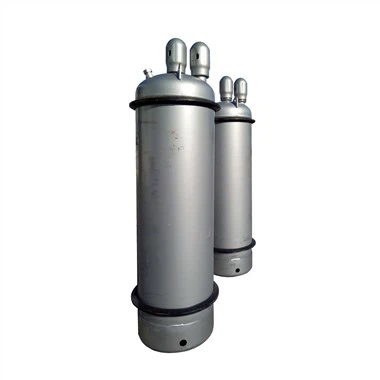
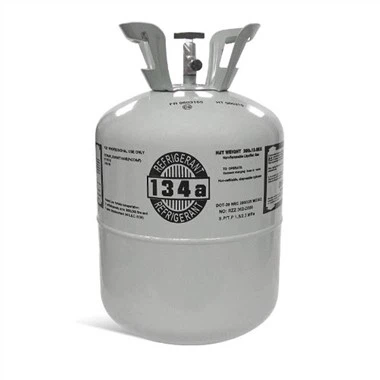
As a supplier of R600a Gas, I've witnessed firsthand the unique challenges and requirements that high - altitude areas pose to refrigeration systems. R600a, also known as isobutane, is a popular refrigerant due to its excellent thermodynamic properties and environmental friendliness. However, when used in high - altitude regions, adjustments need to be made to ensure optimal performance.


Understanding the Impact of High Altitudes on Refrigeration Systems
Atmospheric Pressure Changes
One of the most significant factors at high altitudes is the decrease in atmospheric pressure. As altitude increases, the air becomes thinner, and atmospheric pressure drops. In a refrigeration system, this affects the boiling and condensing points of the refrigerant. For R600a, a lower atmospheric pressure means that the refrigerant will boil at a lower temperature than at sea - level. This can lead to issues such as under - cooling or inefficient operation if the system is not properly adjusted.
Temperature Variations
High - altitude areas often experience more significant temperature variations, both daily and seasonally. These fluctuations can put additional stress on the refrigeration system. For instance, during the day, the temperature may be relatively high, requiring the system to work harder to maintain the desired cooling temperature. At night, the temperature can drop significantly, and the system may need to adjust accordingly to avoid over - cooling or excessive energy consumption.
Air Density
The lower air density at high altitudes also affects the heat transfer efficiency of the condenser and evaporator in the refrigeration system. With less dense air, the rate of heat exchange is reduced. This means that the condenser may not be able to dissipate heat as effectively, and the evaporator may not be able to absorb heat efficiently. As a result, the system may struggle to achieve the desired cooling capacity.
Adjusting the R600a Refrigeration System for High Altitudes
Refrigerant Charge
The first step in adjusting a R600a refrigeration system for high altitudes is to re - evaluate the refrigerant charge. Due to the lower boiling point of R600a at high altitudes, a lower refrigerant charge may be required. Over - charging the system can lead to increased pressure and reduced efficiency, while under - charging can result in insufficient cooling. It is crucial to carefully calculate the correct refrigerant charge based on the specific altitude, system size, and cooling requirements. A professional refrigeration technician can use specialized tools to accurately measure and adjust the refrigerant charge.
For more information about R600a refrigerant, you can visit R600a Refrigerant.
Compressor Selection and Adjustment
The compressor is the heart of the refrigeration system, and its performance is critical at high altitudes. When selecting a compressor for a high - altitude application, it is important to choose one that can handle the lower atmospheric pressure and temperature variations. Some compressors may need to be adjusted to operate more efficiently at high altitudes. This can involve adjusting the compressor's capacity control settings or changing the compressor speed. In some cases, a more powerful compressor may be required to compensate for the reduced heat transfer efficiency caused by the lower air density.
Condenser and Evaporator Design
The design of the condenser and evaporator also needs to be considered. To improve heat transfer efficiency at high altitudes, the surface area of the condenser and evaporator may need to be increased. This can be achieved by using larger condensers and evaporators or by adding fins to increase the surface area available for heat exchange. Additionally, the airflow rate through the condenser and evaporator may need to be adjusted. Higher - speed fans or blowers can be used to increase the airflow and compensate for the lower air density.
Expansion Valve Adjustment
The expansion valve controls the flow of refrigerant into the evaporator. At high altitudes, the pressure differential across the expansion valve changes due to the lower atmospheric pressure. This can affect the proper operation of the expansion valve. The expansion valve may need to be adjusted to ensure that the correct amount of refrigerant is flowing into the evaporator. A mis - adjusted expansion valve can lead to issues such as poor cooling performance, ice formation on the evaporator, or excessive energy consumption.
Benefits of Properly Adjusted R600a Refrigeration Systems in High - Altitude Areas
Energy Efficiency
A properly adjusted R600a refrigeration system in a high - altitude area can operate more energy - efficiently. By ensuring that the refrigerant charge, compressor, condenser, evaporator, and expansion valve are all optimally adjusted, the system can consume less energy while still providing the required cooling. This not only reduces operating costs for the end - user but also has environmental benefits by reducing energy consumption and greenhouse gas emissions.
Extended System Lifespan
When a refrigeration system is operating under optimal conditions, it experiences less stress and wear. This can significantly extend the lifespan of the system. By making the necessary adjustments for high - altitude operation, the compressor, condenser, evaporator, and other components are less likely to fail prematurely. This means fewer repairs and replacements, saving the end - user both time and money in the long run.
Consistent Cooling Performance
Proper adjustment of the R600a refrigeration system ensures consistent cooling performance, even in the challenging conditions of high - altitude areas. Whether it is a commercial refrigerator in a mountain town or a residential air - conditioning unit in a high - altitude village, the system can maintain the desired temperature accurately, providing comfort and reliability for the users.
Working with a Reliable R600a Gas Supplier
As an R600a Gas supplier, I understand the importance of providing high - quality refrigerant and technical support. When adjusting a refrigeration system for high - altitude areas, it is crucial to use a reliable source of R600a gas. Our company offers pure and high - quality R600a Gas that meets all the necessary industry standards.
In addition to supplying the refrigerant, we also provide technical advice and support to help our customers adjust their refrigeration systems for high - altitude applications. Our team of experts has extensive experience in the field of refrigeration and can offer valuable insights and solutions to ensure the optimal performance of your R600a refrigeration system.
If you are in the process of setting up or adjusting a refrigeration system in a high - altitude area, or if you have any questions about R600a gas or refrigeration systems in general, we encourage you to contact us. We are here to help you make the right decisions and ensure the success of your refrigeration project.
Conclusion
Adjusting R600a gas refrigeration systems for high - altitude areas is a complex but essential process. By understanding the impact of high altitudes on the system and making the necessary adjustments to the refrigerant charge, compressor, condenser, evaporator, and expansion valve, it is possible to achieve optimal performance, energy efficiency, and extended system lifespan. As a trusted R600 Gas supplier, we are committed to providing the best products and support to help you overcome the challenges of high - altitude refrigeration. If you are interested in learning more about our products or need assistance with your refrigeration system, please do not hesitate to contact us for a purchasing negotiation.
References
- ASHRAE Handbook - Refrigeration. American Society of Heating, Refrigerating and Air - Conditioning Engineers.
- R600a Refrigerant Technical Manual. Industry - specific technical publication.