As a professional DME gas supplier, I often encounter inquiries regarding the proper storage of DME gas. Storage is a crucial aspect of handling this substance, not only for safety reasons but also for maintaining the quality and integrity of the product. In this blog, I'll delve into the science and practicalities of storing DME gas, sharing insights based on our extensive experience in the industry.
Understanding DME Gas
Dimethyl Ether (DME) is a colorless gas with a faint, ether - like odor. It is highly flammable and has physical and chemical properties that make its storage a matter of careful consideration. DME is commonly used as a fuel, a refrigerant, and as a propellant in Aerosol DME. Its versatility has led to an increasing demand, which in turn emphasizes the importance of effective storage solutions.
Storage Facilities
Tanks
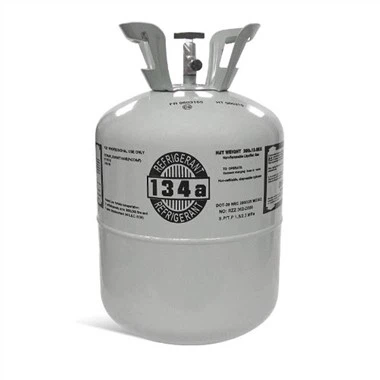
The most common way to store DME gas is in specialized tanks. These tanks are designed to withstand the pressure and chemical properties of DME. They are typically made of high - quality steel, which provides durability and resistance to corrosion. The tanks come in various sizes, ranging from small portable cylinders for domestic use to large industrial - scale storage vessels.
For small - scale applications, such as in laboratories or for some consumer products, small - capacity cylinders are used. These cylinders are easy to handle and transport. However, they require proper labeling and safety features to prevent accidental misuse.
On the industrial level, large storage tanks are installed at production plants, distribution centers, and end - user sites such as power plants. These tanks are often equipped with advanced monitoring systems to keep track of pressure, temperature, and the level of DME inside.
Location
The location of DME gas storage facilities is of utmost importance. Storage areas should be well - ventilated to prevent the accumulation of DME vapors, which can form explosive mixtures in the air. They should be away from sources of ignition, such as open flames, electrical equipment that may produce sparks, and areas with high traffic or potential for mechanical damage.
Outdoor storage is generally preferred as it allows for natural ventilation. If indoor storage is necessary, the storage area must be designed with proper ventilation systems, explosion - proof equipment, and fire - suppression systems. Additionally, the location should be in compliance with local safety regulations and environmental standards.
Storage Conditions
Temperature
DME is sensitive to temperature changes. It has a boiling point of approximately - 24 °C (- 11.2 °F). At higher temperatures, the pressure inside the storage tank increases. Therefore, it is essential to maintain the storage temperature within a safe range. In hot climates, insulation and cooling systems may be required to prevent over - pressurization of the tanks.
Some storage facilities use refrigeration systems to keep the DME in a liquid state. When DME is stored as a liquid, it occupies less volume, which is beneficial for storage and transportation. However, maintaining the low - temperature environment requires energy and proper equipment.
Pressure
The pressure inside the storage tank is another critical factor. DME is stored under pressure to keep it in a liquid or gaseous state, depending on the application. The pressure should be carefully monitored and controlled. Over - pressurization can lead to tank failure, which is extremely dangerous.
Pressure - relief devices are installed on the storage tanks to prevent excessive pressure build - up. These devices are designed to release DME gas in a controlled manner when the pressure exceeds a safe limit. Regular maintenance and testing of these pressure - relief devices are necessary to ensure their proper functioning.
Safety Measures
Leak Detection
Leak detection systems are an integral part of DME gas storage. These systems can detect even small leaks of DME gas, which is crucial as DME is highly flammable. There are various types of leak detection technologies available, including gas sensors, which can detect the presence of DME in the air.
Once a leak is detected, the storage facility should have a well - defined emergency response plan. This plan may include shutting off the source of DME, evacuating the area, and using appropriate firefighting and containment measures.


Fire Prevention
Since DME is highly flammable, fire prevention is a top priority. Storage areas should be equipped with fire - suppression systems, such as sprinklers or foam - based extinguishing systems. Fire - resistant barriers may also be installed around the storage tanks to prevent the spread of fire in case of an incident.
All personnel working in the storage area should receive proper training on fire safety, including how to use fire - extinguishing equipment and how to respond in case of a fire.
Compatibility with Other Substances
When storing DME gas, it is important to consider its compatibility with other substances. DME can react with certain chemicals, which can lead to safety hazards. For example, it should not be stored near strong oxidizing agents, as this can result in a violent reaction.
If DME is to be stored in a facility where other gases or chemicals are also present, proper segregation and separation measures should be implemented. This may include using separate storage areas, installing barriers, or using appropriate ventilation systems to prevent cross - contamination.
Comparison with Other Gases
DME is often compared with other gases such as Isobutane Gas. While both are flammable gases used in various applications, their storage requirements differ in some aspects.
Isobutane has a higher boiling point than DME, which means it can be stored at relatively lower pressures. However, like DME, it also requires careful handling and storage to prevent leaks and fires.
In contrast, Dimethyl Ether DME 1033, a specific grade of DME, has its own set of storage parameters based on its purity and intended use. Understanding these differences is crucial for suppliers and end - users to ensure safe and efficient storage.
Long - Term Storage
For long - term storage of DME gas, additional considerations are necessary. Regular inspections of the storage tanks are required to check for signs of corrosion, wear and tear, and the integrity of the pressure - relief and monitoring systems.
The quality of DME may also change over time. For example, it may absorb moisture or react with trace impurities in the tank. Therefore, periodic sampling and analysis of the stored DME are recommended to ensure its quality meets the required standards.
Conclusion
Proper storage of DME gas is essential for the safety of personnel, the protection of the environment, and the maintenance of product quality. As a DME gas supplier, we are committed to providing our customers with the best - in - class products and also sharing our expertise on proper storage practices.
If you are in the market for high - quality DME gas and need guidance on storage or have any other questions, we invite you to contact us. Our team of experts is ready to assist you in making the right decisions for your DME gas needs and ensuring a safe and efficient storage solution.
References
- "Handbook of Dimethyl Ether (DME) Production and Utilization"
- Industry Standards and Regulations on Flammable Gas Storage
- Technical Reports on DME Gas Properties and Storage Requirements