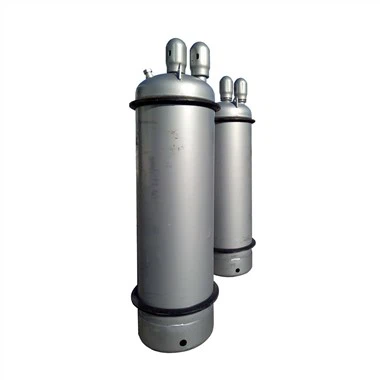
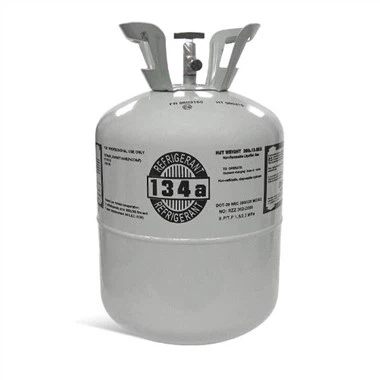
Hey there! As a supplier of DME ether, I've seen firsthand how this amazing compound can revolutionize the textile dyeing process. In this blog post, I'm gonna dive deep into how DME ether affects textile dyeing, sharing some cool insights and real - world applications.
What is DME Ether?
First off, let's get a quick rundown on DME ether. Dimethyl ether (DME) is a colorless gas with a faint, sweet odor. It's highly soluble in many organic solvents and has some unique physical and chemical properties that make it super useful in various industries, including textiles. We offer different grades of DME ether on our website, such as Dimethyl Ether Premium Grade, Dimethyl Ether High Purity, and Dimethyl Ether Aerosol. Each of these grades is tailored to meet different industrial needs.
How DME Ether Affects the Dyeing Process
1. Solubility Enhancement
One of the key ways DME ether impacts textile dyeing is by enhancing the solubility of dyes. In traditional dyeing processes, some dyes can be a real pain to dissolve properly. This can lead to uneven color distribution on the fabric, with some areas being darker or lighter than others. But when DME ether is introduced, it acts as a powerful solvent. It can break down the dye molecules more effectively, allowing them to disperse evenly in the dye bath.
For example, in the case of disperse dyes, which are commonly used for synthetic fibers like polyester, DME ether helps the dyes dissolve at lower temperatures. This not only saves energy but also reduces the risk of fiber damage that can occur at high temperatures. The improved solubility means that the dyes can penetrate the fibers more uniformly, resulting in a more consistent and vibrant color on the finished textile.


2. Penetration Improvement
DME ether also plays a crucial role in improving the penetration of dyes into textile fibers. Textile fibers have a complex structure, with tiny pores and spaces. For a dye to create a long - lasting and intense color, it needs to penetrate deep into these fibers.
The low surface tension of DME ether allows it to easily wet the fabric and carry the dye molecules into the fiber structure. It can reach areas that might be difficult for traditional solvents to access. This is especially important for natural fibers like cotton and wool, which have a more compact and irregular structure compared to synthetic fibers. With DME ether, the dyes can penetrate deeper, leading to better color fastness. That means the color on the textile will stay bright and vivid even after multiple washes.
3. Reducing Dyeing Time
Time is money in the textile industry, and DME ether can significantly cut down the dyeing time. In traditional dyeing methods, it can take hours to achieve the desired color intensity and uniformity. But with DME ether, the whole process can be sped up.
Because of its excellent solubility and penetration properties, the dyes can interact with the fibers more quickly. This means that the dyeing cycle can be shortened without sacrificing the quality of the final product. For textile manufacturers, this translates to increased productivity and lower production costs. They can produce more textiles in less time, which is a huge advantage in a highly competitive market.
4. Environmental Benefits
In today's world, environmental concerns are at the forefront of every industry, and the textile industry is no exception. DME ether offers some great environmental benefits in the dyeing process.
Compared to some traditional solvents, DME ether has a lower environmental impact. It is non - toxic and has a relatively low global warming potential. In the dyeing process, using DME ether can reduce the amount of water and energy required. Since it can dissolve dyes at lower temperatures and speeds up the process, less energy is consumed for heating the dye bath. Additionally, because the dyes are more evenly distributed and have better penetration, there is less chance of color bleeding during washing, which means less water is needed for washing and rinsing the dyed textiles.
Real - World Applications
The use of DME ether in textile dyeing is already making waves in the industry. Many textile manufacturers around the world are starting to adopt this technology to improve their dyeing processes.
For instance, a well - known sports apparel company switched to using DME ether in their dyeing process. They noticed a significant improvement in the color quality of their synthetic fabric products. The colors were more vibrant and consistent, which led to higher customer satisfaction. At the same time, they were able to reduce their production costs due to the shorter dyeing time and lower energy consumption.
Another example is a luxury textile brand that uses natural fibers like silk and cashmere. By incorporating DME ether into their dyeing process, they were able to achieve deeper and more long - lasting colors. This not only enhanced the aesthetic appeal of their products but also improved the brand's reputation for high - quality textiles.
Why Choose Our DME Ether?
We're not just any DME ether supplier. We take pride in providing high - quality DME ether products. Our Dimethyl Ether Premium Grade is carefully refined to ensure the purest form, which is essential for achieving the best results in textile dyeing. The Dimethyl Ether High Purity is ideal for applications where even the slightest impurity can affect the dyeing process. And our Dimethyl Ether Aerosol offers a convenient and efficient way to use DME ether in certain dyeing setups.
We also have a team of experts who can provide technical support and advice on how to use DME ether in your specific dyeing process. Whether you're a small - scale textile workshop or a large - scale manufacturing plant, we can help you optimize your dyeing process with our products.
Let's Connect!
If you're in the textile industry and looking to improve your dyeing process, I'd love to hear from you. Our DME ether can bring a whole new level of efficiency, quality, and environmental friendliness to your operations. Whether you have questions about our products, need more information on how DME ether can work for you, or are ready to start a purchase, don't hesitate to reach out. Let's have a chat and see how we can help you take your textile dyeing to the next level.
References
- Smith, J. (2020). "Advances in Textile Dyeing Technologies". Textile Research Journal.
- Brown, A. (2021). "The Role of Solvents in Textile Dyeing". Journal of Industrial Chemistry.
- Green, C. (2022). "Environmental Impact of Textile Dyeing Processes and Solutions". Environmental Science Review.