

Methyl ether, also known as dimethyl ether (DME), is a colorless gas with a faint ether-like odor. As a supplier of methyl ether, I often encounter questions from customers regarding its properties, especially its flammability. In this blog post, I will delve into the flammability of methyl ether, providing a comprehensive understanding of its risks and safety considerations.

Chemical Properties of Methyl Ether
Methyl ether has the chemical formula CH₃OCH₃. It is a simple ether compound that is highly volatile. Its low boiling point of -24.8 °C (-12.6 °F) allows it to exist as a gas at room temperature and standard atmospheric pressure. This volatility is one of the factors that contribute to its flammability.
Flammability Characteristics
Methyl ether is indeed flammable. It has a wide flammable range in air, typically from 3.4% to 17% by volume. This means that when the concentration of methyl ether in the air falls within this range, an ignition source can cause it to burn or even explode. The flammable range is an important parameter as it indicates the conditions under which a mixture of the gas and air can support combustion.
The auto - ignition temperature of methyl ether is around 235 °C (455 °F). This is the temperature at which the gas can ignite spontaneously without an external ignition source. Given its relatively low auto - ignition temperature, it is crucial to handle methyl ether with care to avoid accidental ignition.
Combustion Process
When methyl ether burns, it reacts with oxygen in the air to produce carbon dioxide and water vapor. The chemical equation for the combustion of methyl ether is:
2CH₃OCH₃ + 7O₂ → 6CO₂ + 6H₂O
This combustion reaction releases a significant amount of energy in the form of heat and light. The energy released during combustion makes methyl ether a potential fuel source, but it also poses risks if not properly managed.
Applications and Flammability Risks
Methyl ether has several industrial and commercial applications. One of the common uses is as a propellant in aerosol products. Dimethyl Ether Aerosol is widely used in the aerosol industry due to its excellent solvency and low toxicity. However, the flammability of methyl ether in aerosol cans requires strict safety measures during production, storage, and transportation.
Another application is as a substitute for Isobutane Gas in some fuel applications. Methyl ether has similar energy content to isobutane and can be used in LPG blends. But again, its flammability must be carefully considered to prevent fires and explosions.
In addition, Aerosol DME is used in the paint and coating industry. The flammable nature of methyl ether means that proper ventilation and fire - prevention measures are essential in manufacturing facilities.
Safety Measures for Handling Methyl Ether
As a supplier, I always emphasize the importance of safety when dealing with methyl ether. Here are some key safety measures:
- Storage: Methyl ether should be stored in well - ventilated areas away from heat sources, open flames, and ignition sources. The storage containers should be designed to withstand the pressure of the gas and should be regularly inspected for leaks.
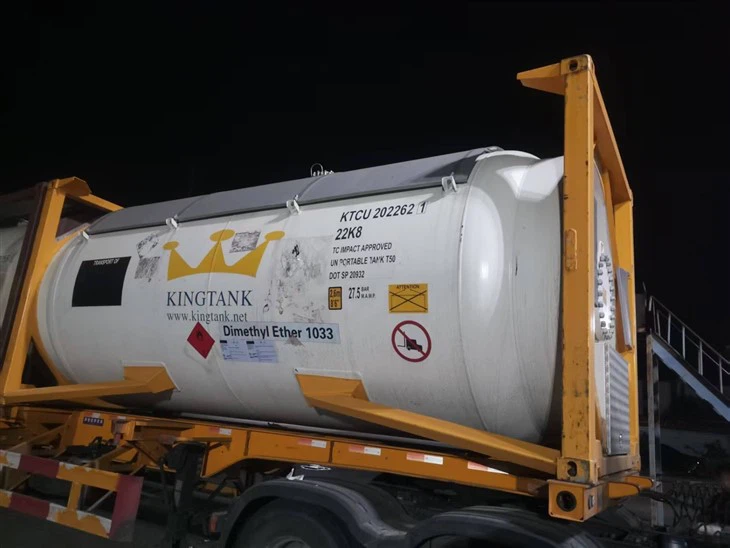
- Transportation: Specialized containers and vehicles are required for transporting methyl ether. These containers must meet strict safety standards to prevent leaks and ensure safe transportation.
- Handling: Workers handling methyl ether should be properly trained on its properties and safety procedures. They should wear appropriate personal protective equipment, such as gloves and goggles, to prevent exposure.
- Fire Prevention: Fire - fighting equipment, such as fire extinguishers and sprinkler systems, should be readily available in areas where methyl ether is used or stored. In case of a fire, it is important to use the appropriate type of extinguisher, such as a dry chemical or carbon dioxide extinguisher.
Regulatory Requirements
There are strict regulations regarding the handling, storage, and transportation of flammable substances like methyl ether. These regulations are in place to protect public safety and the environment. Suppliers and users of methyl ether must comply with these regulations, which include obtaining the necessary permits, following safety standards, and reporting any incidents or spills.
Conclusion
In conclusion, methyl ether is a flammable substance with specific flammability characteristics that need to be carefully managed. While it has various useful applications, its flammability poses risks that require strict safety measures. As a methyl ether supplier, I am committed to providing high - quality products while ensuring the safety of our customers and the environment.
If you are interested in purchasing methyl ether or have any questions about its properties and applications, please feel free to contact us for further discussion. We are more than happy to assist you in finding the right solution for your needs.
References
- Perry, R. H., & Green, D. W. (1997). Perry's Chemical Engineers' Handbook. McGraw - Hill.
- International Maritime Organization. (2018). International Maritime Dangerous Goods Code (IMDG Code).
- Occupational Safety and Health Administration (OSHA). (2023). Hazard Communication Standard.


