Hey there! As a supplier of difluoroethane, I often get asked about the packaging requirements for this stuff. Difluoroethane, also known as R152a, is a widely used refrigerant and propellant, and getting its packaging right is super important.
First off, let's talk about why proper packaging matters. Difluoroethane is a volatile substance. It's a colorless gas with a mild, sweet odor. If it's not packaged correctly, it can leak, which is not only a waste of product but can also pose safety risks. Leaked difluoroethane can contribute to the greenhouse effect as it's a potent greenhouse gas. So, we need to make sure it's stored and transported safely.
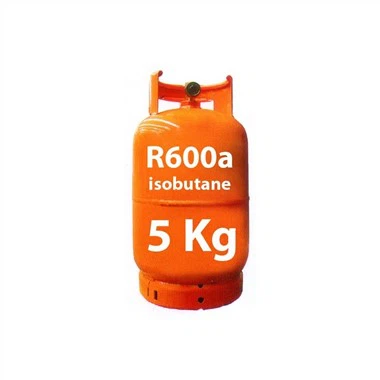
One of the primary packaging options for difluoroethane is cylinders. These cylinders are made of high - quality steel or aluminum. Steel cylinders are very durable and can withstand high pressures. They're great for long - term storage and transportation. Aluminum cylinders, on the other hand, are lighter, which makes them easier to handle, especially when it comes to moving them around.
The cylinders need to be designed to handle the pressure of the difluoroethane. Difluoroethane is stored under pressure, and the cylinders must be able to maintain that pressure without any leaks. They are usually tested regularly to ensure they meet safety standards. For example, they might go through hydrostatic testing, where the cylinder is filled with water and pressurized to check for any weaknesses in the structure.
Another important aspect of the cylinders is the valve system. The valve is the part that controls the flow of difluoroethane in and out of the cylinder. It needs to be well - designed and reliable. A good valve should be able to open and close smoothly, and it should prevent any accidental leaks. There are different types of valves available, such as ball valves and needle valves, and the choice depends on the specific application and requirements.


When it comes to labeling, it's crucial. The cylinders should be clearly labeled with information about the contents, including the name "difluoroethane" or "R152a". The label should also include safety warnings, such as "flammable" because difluoroethane is flammable. It should state the pressure rating of the cylinder and any handling instructions. This helps anyone who comes into contact with the cylinder to know what they're dealing with and how to handle it safely.
For smaller quantities of difluoroethane, we might use aerosol cans. Aerosol cans are convenient for applications where a small amount of the gas is needed, like in some consumer products. These cans are also designed to handle the pressure of the gas. They have a valve system similar to that of cylinders, but on a smaller scale. The cans are usually made of aluminum or steel as well.
Just like with cylinders, aerosol cans need to be labeled properly. They should have information about the product, safety warnings, and usage instructions. And of course, they need to be stored in a cool, dry place to prevent any damage or leaks.
Now, let's talk about the environmental impact of the packaging. We're all becoming more aware of the need to be environmentally friendly. When it comes to difluoroethane packaging, we try to use materials that are recyclable. Steel and aluminum cylinders can be recycled, which helps reduce waste. And we're always looking for ways to make our packaging more sustainable.
If you're interested in R152a Gas or R152a Refrigerant, we've got you covered. We ensure that all our difluoroethane products are packaged according to the highest safety and quality standards. Whether you need it for industrial refrigeration or as a propellant in consumer products, we can provide the right packaging for your needs.
If you're thinking about purchasing difluoroethane, don't hesitate to reach out. We're here to answer any questions you might have about the product, the packaging, or anything else. We can discuss your specific requirements and find the best solution for you.
In conclusion, proper packaging of difluoroethane is essential for safety, environmental protection, and product quality. We take great care in ensuring that our packaging meets all the necessary standards. So, if you're in the market for difluoroethane, give us a shout, and let's have a chat about your needs.
References:
- Industry standards for refrigerant packaging
- Safety guidelines for handling difluoroethane