


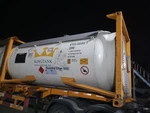
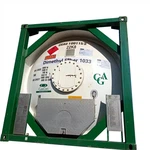

Liquid Propane Gas
Your Professional Difluoroethane Manufacturer in China
Jiangsu July Chemical Co.,Ltd is located in Jiangyin city, Wuxi, Jiangsu Province. It owns two industrial-grade gas of Dimethyl Ether& LPG stations, our mainly products include Dimethyl Ether, LPG, Methanol, R152a, R134a, Ethylene glycol and so on.
Professional Dangerous Goods Shipping
We have more than 12 years experience in handling with the dangerous goods, so we can help you to save money and time. NEVER try to ship such items as normal or regular cargos, because the goods will be checked and may be detained by your customs both in port of loading and port of discharge.
Good Quality Control
We cooperates with quality global suppliers, and we have more than 1,000 cooperative suppliers at present. We has strict criteria for supplier selection,selecting suppliers with reliable quality and stable production to cooperate to ensure the quality of goods and deliver on time.
Rich Experience
We have a complete set of 19 dangerous chemical transport vehicles, also being exclusive sales agent of domestic chemical plan with rich experience in chemical international trade.
Great Service
Whenever you have a question or need support, our team is ready to assist. Yes, even after hours with a 24/7/365 team dedicated to emergency service.
Brief Introduction to Liquid Propane Gas
Propane, sometimes known as liquefied petroleum gas, or LPG-is a gas normally compressed and stored as a liquid. It is nontoxic, colorless, and virtually odorless; an identifying odor is added so it can be detected. Propane is commonly used for space and water heating, for cooking, and as fuel for engine applications such as forklifts, farm irrigation engines, fleet vehicles, and buses; however, its applications are rapidly growing due to new technology developments. When used as vehicle fuel, propane is known as propane autogas.


Product Specification
|
Classification |
Alkanes |
|
CAS No |
R290 |
|
Purity |
99.5% |
|
Appearance |
Colorless |
|
Molecular Weight |
44.1 |
|
Boiling Point (℃) |
-42.1 |
|
Critical Temperature (℃) |
96.7 |
|
Critical Pressure (MPa) |
4.25 ODP: 0 |
|
Sulfur (ppm) |
≤1 |
|
Acidity (ppm) |
≤1 |
|
Vapor Residue (ppm) |
≤100 |
|
ODP |
0 |
|
GWP |
3 |
|
Odor |
Odorless |
What are the Common Uses of liquid Propane Gas?
Forklift Fuel: Propane is an economical and low-maintenance option for many commercial applications. It's also a clean-burning fuel that gives off less harmful emissions than many traditional fuels, making it an excellent choice for forklifts. When a forklift needs to move in and out of a warehouse facility, it mustn't release harmful toxins into the indoor environment.
Printing Press: The large-scale printing process needs to dry printing ink quickly once the jetting process is complete. Publishers often use hot propane gas to dry ink on various surfaces, including cellophane, aluminum foil, glassine and paper. Propane gas is also an excellent tool for burning off printing rolls.
Metal Melting: Propane can burn at extremely high temperatures of up to 1,980 degrees Celsius. It's the most common form of LPG used by manufacturers in the metal burning process for aluminum, Monel, brass, bronze and many other metals. The manufacturers use propane in the stationery and tilting crucible furnaces. The gas is also helpful for melting jewelry like gold and silver in the furnace.
Standby Generators: A propane standby generator is always ready in an emergency and automatically kicks in when the power goes out. Propane is easy and safe to store as a reliable fuel source, and it is a more efficient form of fuel than natural gas. You can have the propane tie into the primary propane tank at your business or have a separate, dedicated propane tank for your generator.
Manufacturing: Propane is a reliable energy source used by many manufacturing facilities to power vehicles and generators. It's also used by petrochemical industries to make plastics. Refrigerator manufacturers use gas as a refrigerant. Did you also know that some types of fridges use propane as an energy source? These gas absorption refrigerators are commonly used for camping and can be found in recreational vehicles.
Storage Warehouses: Different warehouses use propane to power equipment like forklifts. Since it's a clean-burning fuel source, it's considered one of the most reliable gases for indoor forklift operations. The gas is also used to power space heaters. According to the National Propane Gas Association, more than 500,000 forklift trucks use propane gas as fuel.
Portable Stoves and Barbecues: Propane gas is perfect for these types of applications. It has a very low boiling point. As such, it tends to vaporize as soon as it's released from pressurized containers. It's also quite easy to transport as a liquid using metal cylinders. Please note that the majority of gas cylinders sold in shops are not entirely propane. Most are mixed with ethane and butane. In warm countries, however, the gases tend to have a large proportion of butane compared to ethane and propane. This is because propane is less volatile, which makes it a lot easier to store.
Safety Tips for Liquid Propane Gas Cylinders
Always transport propane cylinders in their upright positions. On their side they may roll or shift, which could cause damage.
When moving cylinders, always turn the valve off and close securely with a plug, if necessary, even if the cylinder is empty. If you're not sure if a plug is needed, ask your propane retailer.
Put the cylinder in a well-ventilated area of your vehicle, such as a truck bed. Remove immediately when you arrive at your destination. Never leave a filled propane cylinder in a hot car. Heat causes propane to expand, which could lead to a gas leak or an explosion.
Keep propane cylinders outside. Never keep them indoors or in an enclosed area, such as a garage, shed or basement.
Keep them in a cool place. Do not expose cylinders to heat above 120 degrees. That temperature could cause combustion or a leak.
Keep propane cylinders away from flames. That includes smoking or using spark-producing tools. Any flame could cause combustion.
Propane smells like rotten eggs, skunk spray or dead animals. If you smell a leak, even faintly, or hear a hissing noise near your tank, turn off the valve. Leave the area and call the fire department or 911. Do not restart your appliance until a qualified technician has inspected your tank and the appliance.
You should also test for leaks before you use your propane tank after a period of non-use. Dab a leak detector solution or soapy water to the connector valve and outlet (these should be marked with an "X"). Open the cylinder valve and watch for bubbles. If you see bubbles, close the cylinder valve, tighten the connection, and slowly open the valve again.
Make sure your propane cylinder has an overfill protection device. If a tank is overfilled, the propane may not have enough room to expand, which could lead to combustion.
Do not use a propane cylinder that has been damaged or involved in a fire. All cylinders should be tested before they are used. Damaged cylinders are likely dangerous. If you need to dispose of a damaged cylinder, don't toss it in the trash.
What Safety Precautions are Needed for Liquid Propane Gas Storage?
Gas Cylinders
When storing propane cylinders, the cylinder must be kept in open-air storage, like outdoors. The relief valve should be closed. Any impact that causes damage to the propane cylinder can affect the quality of liquid propane gas. The bulk propane storage cylinder should be on a level area and kept dry. There shouldn't be any flammable material around the propane storage cylinder.
Liquid Propane Storage
When propane gas is highly compressed under pressure, it becomes a liquid, making it easier for storing than when it is in gas form. Propane gas is stored at different pressure & temperature levels. As the gas is used, the pressure doesn't reduce, so proper bulk propane storage is important.
Propane Bullets
Propane depots often keep propane safety at the forefront, dictating that units dealing with bulk propane storage take precautions. Storage depots have underground storage amenities, requiring the tanks to be buried underground.
LPG Cylinders
For propane bulk storage in cylinders, it is crucial they are in open-air storage and the relief valve is off, even if the cylinder isn't in use.
The quality of the propane gas can be affected by any damage or impact to the tank. The tank should be stored level and dry, and away from anything flammable and heat sources.
Propane Storage for Liquid
Propane gas becomes a liquid when it is compressed under high pressure. This makes storing it easier than in the gas form. It is important to realize it is stored at different pressure levels and temperatures. Liquid propane pressure doesn't reduce as it is used. Proper bulk propane storage requires proper handling so as not to compromise the tanks' integrity.
Bulk Propane Storage Bullets
Propane depots often keep bulk propane storage in bullets for agricultural and commercial purposes. A propane bullet weighs as much as 40 tons, comparable storage measurement for Liquid Propane Gas for bulk propane storage. The level of high combustibility of this material makes it vital to the relief device is shut off, even when empty.
Ultimate FAQ Guide to Liquid Propane Gas
Q: Why people choose propane?
Q: Is LP gas the same as natural gas?
Q: Is liquid propane the same as propane gas?
Q: Is liquified gas the same as propane?
Q: What is a liquid propane gas car?
Q: Is propane sold as liquid or gas?
Q: Do gas grills use liquid propane?
Q: What is the difference between liquid propane and natural propane?
Q: Can I use LPG instead of propane?
Q: Which is safer butane or propane?
Q: What are the benefits of liquid propane?
Q: Are there different types of liquid propane?
Q: Why are there no propane cars?
Q: How is liquid propane sold?
Q: Is propane dangerous to the environment?
Q: Why does propane smell?
Q: Does propane go bad?
Q: Can propane freeze in cold weather?
Q: How is propane transported?
Q: What is the difference between liquid and vapor propane?
Hot Tags: liquid propane gas, China liquid propane gas manufacturers, suppliers, factory
Previous
No InformationYou Might Also Like


Send Inquiry